
What is the typical lead time for printed circuit boards manufacturers?
The lead time for printed circuit boards (PCBs) is an essential consideration for companies looking to design, manufacture, and deliver electronic products. For printed circuit boards manufacturers, lead time refers to the amount of time it takes to complete the production of a PCB from the initial design phase to the final delivery of the product. The lead time can vary significantly depending on a variety of factors, including the complexity of the PCB design, the type of materials used, the manufacturing process, and the volume of PCBs required. For manufacturers, understanding and managing lead time is critical to ensuring that customers receive their products on schedule, without compromising quality or reliability.
In general, the lead time for printed circuit boards manufacturers can range from a few days to several weeks, depending on the specific requirements of the PCB order. Simple, single-layer PCBs that are less complex and made from standard materials tend to have a shorter lead time, often around 5 to 10 business days. These boards are relatively easy to produce because they do not require advanced processing or specialized materials. For such orders, manufacturers can usually take advantage of streamlined production processes, which allows them to quickly fabricate and deliver the PCBs.
On the other hand, more complex designs, such as multi-layer PCBs, flexible or rigid-flex PCBs, and high-frequency boards, often require longer lead times. Printed circuit boards manufacturers typically need additional time to handle the intricate design, layering, and materials used in these advanced PCBs. Multi-layer boards, for example, require precise alignment of layers and more advanced manufacturing techniques, which can extend the lead time to 2 to 4 weeks or more, depending on the complexity. Similarly, specialized materials like ceramics or high-frequency substrates may require custom sourcing and additional processing time, further increasing the lead time.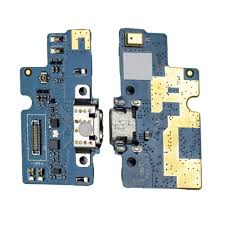
What is the typical lead time for printed circuit boards manufacturers?
Another factor that can influence the lead time is the volume of PCBs being ordered. For larger quantities, printed circuit boards manufacturers need to allocate more time for setup, production, and testing to ensure that all boards meet the required specifications. While a single PCB or a small batch can be manufactured quickly, larger volumes may require more detailed quality control, which extends the overall lead time. Additionally, manufacturers may face delays due to supply chain constraints, such as shortages of materials or component availability, especially if custom components are involved. Therefore, the lead time for high-volume orders can vary from a few weeks to several months.
Prototyping is another phase that affects lead time for printed circuit boards manufacturers. If the customer requires prototypes before proceeding to mass production, this step can add additional time to the overall lead time. Prototyping allows the manufacturer and the client to test and validate the design, ensuring that it functions correctly before large-scale production begins. Prototypes may take anywhere from a few days to a couple of weeks to produce, depending on the complexity of the design and the manufacturing methods used.
To mitigate delays and ensure timely delivery, printed circuit boards manufacturers often offer expedited services for customers who need their PCBs on a shorter timeline. Some manufacturers have expedited options that can reduce lead time to as little as 48 hours, depending on the design and volume. However, these expedited services often come with higher costs due to the need for faster processing and prioritization.
In conclusion, the typical lead time for printed circuit boards manufacturers depends on a variety of factors, including the complexity of the PCB design, the materials used, the order volume, and whether prototyping is involved. While simple, single-layer PCBs can be produced in as little as 5 to 10 business days, more advanced designs and larger volumes can require several weeks or even months to complete. Customers who require faster turnaround times may be able to utilize expedited services, although these often come at a higher cost. Regardless of the timeline, managing lead time effectively is essential for both manufacturers and clients to ensure the timely delivery of high-quality PCBs.