
What are the key thermal properties of ceramic PCB boards?
key thermal properties of ceramic PCB boards
Ceramic PCBs offer a number of advantages over traditional metal circuit boards. They are corrosion-resistant, have low thermal expansion coefficients and can withstand high temperatures. Their high heat transmission capacities prevent hot spots on surfaces and inner parts by distributing the heat evenly throughout the board. These characteristics make them ideal for applications in harsh environments, such as those used by the aerospace and defense industries. They are also well-suited to conductive copper applications and high-frequency signals, such as those in wireless communication devices.
The material that a ceramic pcb board is made from determines its thermal properties, with different materials having unique strengths and weaknesses. The choice of the right material for a particular application is critical to ensure the best results. The most common types of ceramic PCBs include the HTCC and LTCC varieties. The LTCC variation is often preferred over the HTCC because it can be baked at a lower temperature and thus avoids the risk of oxidation. The conductor layer of the LTCC can be made from gold, silver or the more affordable copper.
The main advantage of high-temperature ceramic PCBs is their ability to withstand high temperatures, which makes them a good choice for harsh environments and high-powered equipment. They can also withstand mechanical stress and are less susceptible to corrosion. This is why they are used in the construction of automotive and aerospace equipment.
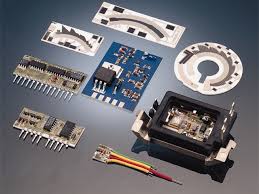
What are the key thermal properties of ceramic PCB boards?
For these reasons, ceramics are an excellent choice for a wide variety of electrical and industrial applications. They can be found in appliances like heaters, power electronics and LED lighting. They are also a popular option for manufacturing memory integrated circuits, which are necessary to make personal computers function.
When choosing a supplier of ceramic PCBs, it is important to look for a company that has a reputation for quality. Evaluate their certifications and ask about their quality control processes and inspection protocols. Additionally, look for a company that is capable of handling the size and complexity of your project.
Aside from high-temperature tolerance, a good ceramic PCB should have good thermal conductivity and low coefficient of thermal expansion (CTE). The former is crucial because it helps minimize the stresses on the traces and connections during thermal cycling. The latter is important because it will help keep the circuit from being prone to damage and cracking under mechanical stress.
Moreover, ceramics are an ideal choice for multilayer PCBs because they have good thermal resistance and can handle a high density of connections. In addition, they can handle a high amount of power and can withstand high-frequency signals. All of these qualities are essential to meet the demands of today’s sophisticated electronic products.