
How to Reduce the Cost of Pcb Manufacturing Assembly
Reduce the Cost of Pcb Manufacturing Assembly
The cost of Pcb manufacturing assembly is a major concern for most companies, particularly those looking to bring their products to market quickly and efficiently. The good news is that there are many ways to reduce the costs associated with a PCB without sacrificing quality or reliability.
The first step is selecting the correct materials for your PCB design. This can make a big difference in overall manufacturing costs. For example, choosing the right materials can cut your copper and solder costs significantly. In addition, minimizing the number of vias can save money as well. Opting for blind and buried vias instead of conventional through-holes can be very affordable.
Another factor that can influence your pcb manufacturing assembly costs is the board size. Larger boards consume more materials and require more space for components, resulting in higher assembly costs. Keeping your PCB design compact and simple can help minimize production time, material usage, and assembly costs.
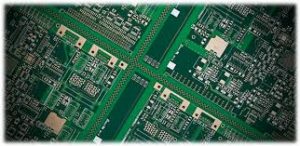
How to Reduce the Cost of Pcb Manufacturing Assembly
Component Sourcing and Availability: The price of components can vary widely depending on availability, technical specifications, and supplier reliability. Scarce or custom components can increase costs, while readily available standard parts can help lower the cost of PCB assembly.
Board Size and Shape: Complex shapes and sizes may be difficult for manufacturers to produce, which can drive up assembly costs. Larger and thicker boards are more expensive to manufacture than smaller or thinner boards, as they require more materials and more precise machinery.
Drill Hole Size and Quantity: Smaller drill hole widths and spacing require more precise equipment and longer processing times, which can increase your PCB assembly costs. More drill holes also lead to greater material loss, resulting in additional expenses.
Incorporating more layers into a PCB increases the complexity of the circuit, resulting in higher procurement and assembly fees. Additionally, more layers can add to the total assembly time and increase the cost of materials and assembly tools.
Using Inferior Materials and Substitutes: Although you might be able to reduce your PCB assembly costs by using cheaper or substitute materials, it’s important to consider how these choices will impact long-term performance and reliability. Low-quality materials can result in a shorter lifespan for your product, leading to repairs and replacements that can add up over time.
The PCB manufacturing and assembly process can be quite lengthy, but outsourcing this work to a professional PCB manufacturer can help you save both time and money. A reputable company will have the necessary facilities and technology to ensure that your product meets industry standards. This can help you avoid costly mistakes that could negatively impact your product.
In order to reduce the cost of your PCB, it is important to consult with a professional PCB assembly manufacturer early in the project. An experienced provider will be able to provide guidance on the best methods for reducing assembly costs while maintaining high-quality workmanship. They can also help you select the right materials for your product and optimize your PCB design for fabrication, ensuring that your finished product will meet your specific needs.