
How to Construct a PCB Rigid Flex
Construct a PCB Rigid Flex
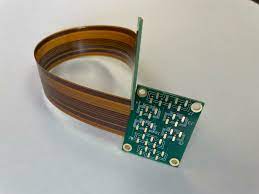
Rigid-flex circuit boards combine the reliability of a rigid PCB with the flexibility and bending ability of a flexible printed circuit board. The result is a high-performance, durable product capable of operating in a variety of environments and addressing a multitude of design challenges. When properly constructed, a pcb rigid flex can reduce the number of solder joints and connectors required for a given application, reducing costs and improving performance.
The process of constructing a rigid-flex PCB involves laminating alternating layers of copper and PI insulating layers on the flexible core. The resulting laminate is then covered with either a coverlay or bondpile. A coverlay is a flexible material, typically on the outermost layer of a flex substack, which protects and insulates the underlying copper and prevents it from lifting during bending. A bondpile is a stripline on an inner flex layer, with adhesive on one side and polymide dielectric on the other, which glues the flex ribbon layers together.
Vibration environments pose unique challenges for PCBs, causing them to flex and bend repeatedly during operation. This dynamic flexing can lead to fatigue failures within materials like copper and compromise interconnect reliability. However, vibration-resistant flex PCBs can be designed to resist these stresses with certain engineering and production considerations.
How to Construct a PCB Rigid Flex
To design a flexible PCB that can resist flexing, designers often use thinner copper traces to allow greater flexibility, and they may also include wide endings on the edge of the circuit to improve stability and durability. To reduce the amount of stress placed on the flex circuit during bending, engineers may also use a stiffener—which is an extra layer of a rigid material such as FR4—between a pair of flex regions.
Rigid-flex PCBs can be fabricated with many different flex stackup options, making it important for designers to consider their fabrication house early in the design phase to ensure that their idealized stackup will be reliably able to withstand the production and assembly processes of rigid-flex. Some common flex stackup designs include bookbinder-type and crowbar-style.
The cost of a rigid-flex PCB is dependent on several factors, including the layer count and the complexity of the PCB. Higher-layer counts increase the cost of manufacturing, as they require more material and more time for lamination. Additionally, complex PCBs require a higher level of precision and expertise to assemble. Similarly, any additional features such as selective plating or dual surface finishes can drive up the final cost of a rigid-flex board.
Sierra Circuits manufactures high-quality flex and rigid-flex PCBs, leveraging a combination of advanced technologies to provide fast turnaround times in the United States. Our team of experienced, knowledgeable engineers can assist with any PCB design challenges or questions you may have, from flex-PCB prototyping to large-scale production runs. To learn more about the benefits of a pcb rigid flex, contact us today for a free quote. We look forward to the opportunity to work with you on your next project!