
How do you maintain traceability throughout your Flexible circuit board manufacturers?
Flexible circuit board
In the intricate world of flexible circuit board manufacturing, traceability stands as a cornerstone principle, ensuring transparency, accountability, and quality throughout the production process. Traceability encompasses the ability to track and record the journey of each component, material, and assembly from inception to delivery, providing manufacturers with vital insights into the production chain and enabling swift identification and resolution of any issues or discrepancies that may arise.
One of the fundamental aspects of maintaining traceability in flexible circuit board manufacturers is comprehensive documentation and record-keeping. From material procurement and production to testing and inspection, manufacturers maintain detailed records of every step in the manufacturing process. These records include information such as material specifications, production parameters, quality control data, and inspection results, providing a complete audit trail of each circuit board’s journey through the production line.
Furthermore, implementing robust identification and labeling systems is essential for ensuring traceability throughout the manufacturing process. Each component, material, and assembly is assigned a unique identifier, such as a serial number, barcode, or RFID tag, which is used to track its movement and status within the production facility. By scanning these identifiers at various checkpoints along the production line, manufacturers can monitor the progress of each circuit board and verify its compliance with the specified requirements.
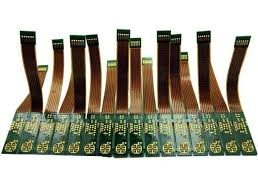
How do you maintain traceability throughout your Flexible circuit board manufacturers?
Moreover, integration of advanced manufacturing technologies such as automation and data analytics enhances traceability by enabling real-time monitoring and analysis of production processes. Automated data collection systems capture critical information such as machine settings, production rates, and quality metrics, providing manufacturers with valuable insights into production performance and identifying potential areas for improvement. By leveraging data analytics tools, manufacturers can analyze production data to identify patterns, trends, and anomalies, enabling proactive decision-making and continuous optimization of the manufacturing process.
In addition to internal traceability measures, collaboration with suppliers and partners is essential for maintaining end-to-end traceability across the supply chain. Manufacturers work closely with suppliers to establish clear communication channels, share relevant information, and ensure compliance with quality and regulatory requirements. By fostering strong relationships with trusted suppliers, manufacturers can mitigate risks, minimize disruptions, and maintain consistency in the quality and availability of materials and components.
Quality management systems (QMS) play a pivotal role in maintaining traceability by establishing standardized processes, procedures, and controls for ensuring quality and consistency throughout the manufacturing process. QMS frameworks such as ISO 9001 provide manufacturers with a systematic approach to quality management, encompassing aspects such as document control, corrective and preventive actions, and continuous improvement. By adhering to QMS principles, manufacturers can establish a culture of quality excellence and ensure traceability at every stage of the production process.
Furthermore, regulatory compliance is a critical aspect of maintaining traceability in flexible circuit board manufacturing, particularly in highly regulated industries such as aerospace, automotive, and medical devices. Manufacturers must adhere to industry-specific regulations and standards, such as RoHS (Restriction of Hazardous Substances) and REACH (Registration, Evaluation, Authorization, and Restriction of Chemicals), which govern the use of materials and substances in electronic products. By ensuring compliance with regulatory requirements, manufacturers can demonstrate their commitment to product safety, environmental responsibility, and customer satisfaction.
In conclusion, maintaining traceability is essential for ensuring quality, accountability, and regulatory compliance in flexible circuit board manufacturing. By implementing comprehensive documentation and record-keeping practices, robust identification and labeling systems, advanced manufacturing technologies, collaboration with suppliers, and adherence to quality management systems and regulatory requirements, manufacturers can establish end-to-end traceability across the production chain. As technology continues to evolve and regulatory requirements become more stringent, the importance of traceability in flexible circuit board manufacturing will only continue to grow, driving innovation, quality, and excellence in the industry.