
Can flex pcb board be used in aerospace applications?
flex pcb board be used in aerospace applications
Despite the fact that we live in a world where technology becomes more advanced by the day, space still remains one of the most challenging environments for electronics. Whether it’s a device that monitors your health or a satellite, aerospace systems require the same level of reliability and stability as any other electronics-based product. The use of flex PCBs, especially in the aerospace industry, is growing as designers strive to reduce weight and increase reliability. This type of PCB is also used in wearables, foldable heaters and conformal heating elements as well as other medical devices.
Unlike rigid FR-4 PCBs, flex pcb board have the ability to bend and twist in multiple directions without losing electrical integrity. This feature makes them suitable for a wide range of applications in the aerospace industry, including satellites and other spacecraft components. In addition to their flexibility, flex circuits are often lighter than their rigid counterparts and take up less space. This is particularly important for rockets and other spacecraft that undergo significant gravity during liftoff.
To help ensure the integrity of a flex circuit, there are several design tips that should be followed. The first is to always route traces perpendicular to the overall bend line. This will eliminate stress points that could cause trace copper breakage. In addition, it’s recommended that traces be designed to transition from thick to thin sections gradually instead of abruptly. Abrupt changes in thickness can result in stress points and cause the traces to break during bending.
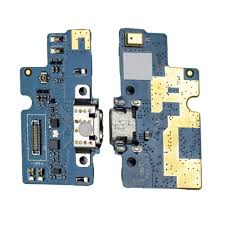
Can flex pcb board be used in aerospace applications?
Another important tip is to avoid using solid grounds on a flex circuit. This can lead to I-beaming, which reduces the conductivity of the copper and increases the risk of failure. For this reason, hatched grounds are a good option for flex PCBs. However, this solution is not ideal for high-speed routing because it can affect impedance control.
Finally, it’s a good idea to choose a flexible material that is rated for a high number of dynamic flex cycles. This will give the flex circuit the best chance of meeting the requirements of your aerospace application. A good example of this is polyimide, commonly known as Kapton. It can withstand thousands of dynamic flex cycles, making it the ideal choice for many aerospace applications.
Rigid-flex boards are another good option for aerospace applications because they combine the advantages of rigid and flex circuits. By placing a flex layer between two rigid layers, manufacturers can protect it from external forces and improve the overall quality of the final product. This technique is also useful for reducing costs and easing assembly. Rigid-flex boards can be used in a variety of ways, such as replacing cables and connectors or as the primary substrate for components and circuits. However, they must be manufactured carefully to ensure the quality and reliability required by the aerospace industry. Partnering with an experienced supplier like Avanti Circuits will help you achieve the perfect flex board for your aerospace application.