
Can custom pcb be used in underwater applications?
custom pcb be used in underwater applications
Custom PCBs (Printed Circuit Boards) have revolutionized the electronics industry, enabling the creation of compact, high-performance electronic devices tailored to specific applications. However, when it comes to underwater applications, where environmental factors pose unique challenges, the suitability of custom PCBs may come into question. In this article, we delve into the possibilities and considerations surrounding the use of custom PCBs in underwater environments.
The primary concern when considering the use of custom pcb underwater is ensuring the boards’ integrity and functionality in a harsh, corrosive environment. Water, particularly seawater, can be highly corrosive, posing a threat to electronic components and PCB materials. Traditional PCB materials like fiberglass and epoxy may not provide adequate protection against corrosion, leading to premature failure of the circuitry.
However, advancements in PCB materials and coatings have made it possible to create custom PCBs specifically designed for underwater applications. Materials such as ceramic-based substrates, marine-grade polymers, and corrosion-resistant coatings offer enhanced protection against water ingress and corrosion, ensuring the longevity and reliability of the PCBs in underwater environments.
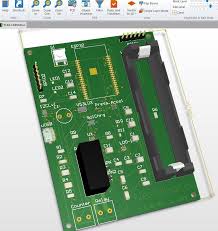
Can custom pcb be used in underwater applications?
Another critical consideration for custom PCBs in underwater applications is waterproofing. Sealing the PCB against water ingress is essential to prevent damage to sensitive electronic components and ensure the continued operation of the device. Techniques such as conformal coating, potting, and encapsulation can effectively waterproof custom PCBs, providing an additional layer of protection against the ingress of water and other contaminants.
Furthermore, the design of custom PCBs for underwater applications must take into account factors such as pressure, temperature, and mechanical stress. Underwater environments can subject electronic devices to significant pressure, particularly at greater depths, which can potentially damage or deform PCBs not designed to withstand such conditions. Additionally, temperature fluctuations and mechanical vibrations can further challenge the reliability and performance of custom PCBs underwater.
To mitigate these challenges, designers must carefully select materials, components, and manufacturing processes suited to the specific requirements of underwater applications. For example, choosing high-quality, corrosion-resistant components and employing robust mechanical mounting techniques can help enhance the durability and reliability of custom PCBs in underwater environments. Additionally, thorough testing and validation procedures are essential to ensure that the PCBs meet the performance and reliability standards demanded by underwater applications.
Despite the challenges, the use of custom PCBs in underwater applications offers numerous benefits. Custom PCBs enable the creation of compact, lightweight electronic devices tailored to the unique requirements of underwater environments, whether for marine research, underwater exploration, or industrial applications such as underwater sensors and monitoring systems. By leveraging the flexibility and customization capabilities of custom PCBs, designers can develop innovative solutions that push the boundaries of what is possible underwater.
In conclusion, while the use of custom PCBs in underwater applications presents challenges related to environmental factors such as corrosion, waterproofing, and mechanical stress, careful design, material selection, and manufacturing techniques can overcome these hurdles. With proper consideration and implementation of best practices, custom PCBs can be effectively utilized in a wide range of underwater applications, contributing to advancements in marine technology and exploration.