
The Basic Rules of Piano Transcribing
Basic Rules of Piano Transcribing
When it comes to piano, transcribing (listening to a song and writing down what you hear) is a vital skill. It’s not only a great way to improve your piano playing, but it’s also useful for learning songs by ear or even playing impromptu. It can be hard to get started, though – especially if you’re not sure where to start or what the basics are.
Luckily, there are some simple rules to transcribing music that you can follow that will help make the process a lot easier! First, you’ll want to find a high-quality version of the song that you’re trying to transcribe. Having the best quality possible will give you a clearer sound and help you pick out details that might be difficult to hear in lower-quality versions of the song. It’s also important to work in a quiet space, away from distractions and with a good pair of headphones so that you can listen to the music as clearly as possible.
Once you have the song you’re trying to transcribe, listen to it over and over again until you have a clear picture in your mind of what’s being played. Once you have that, sit down at your piano and play it back on top of the recording – this will help you confirm that you have correctly identified all the notes and chords being used.
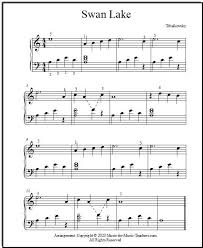
The Basic Rules of Piano Transcribing
The next step in the process is to determine the key signature of the song. This will help you decide what note to write on the far left of your sheet music, and will also let you know whether or not there are any flats or sharps in the piece. You can do this by listening to the song again and examining the music in the bass and treble clefs, or by using an online transcription service like Transcribe!
One of the hardest parts about transcribing is deciphering which notes make up the harmony, and which are melodic embellishments. This can be done by using a process of deduction, for example, if you hear an E in the bass line, you can assume that there is an Em chord built on top of it. Once you have the bass line, it’s time to begin building chords.
A good way to practice this is to take a small section of the song and transpose it to all keys, which will force you to think of the melody and harmony in relation to the key, rather than just at its current pitch. This is a great exercise for improving your harmonic awareness and can be used in conjunction with other practices such as interval transposition, which we’ll talk about in a future article! Thanks for reading – let me know what you think in the comments below!
Is piano transcribing music illegal? In the United States, it is legal to transcribe your own musical compositions, but to transcribe copyrighted works without the permission of the composer may be considered a violation of copyright law. To avoid any legal issues, make sure to only transcribe copyrighted music for personal and educational use. If you plan to sell or distribute your transcriptions, you should seek out services that respect copyright laws.